.png&w=64&q=75)


Join just part of a tour
Short on time? Ask to join only the days and stops you want.

Getting everything ready…
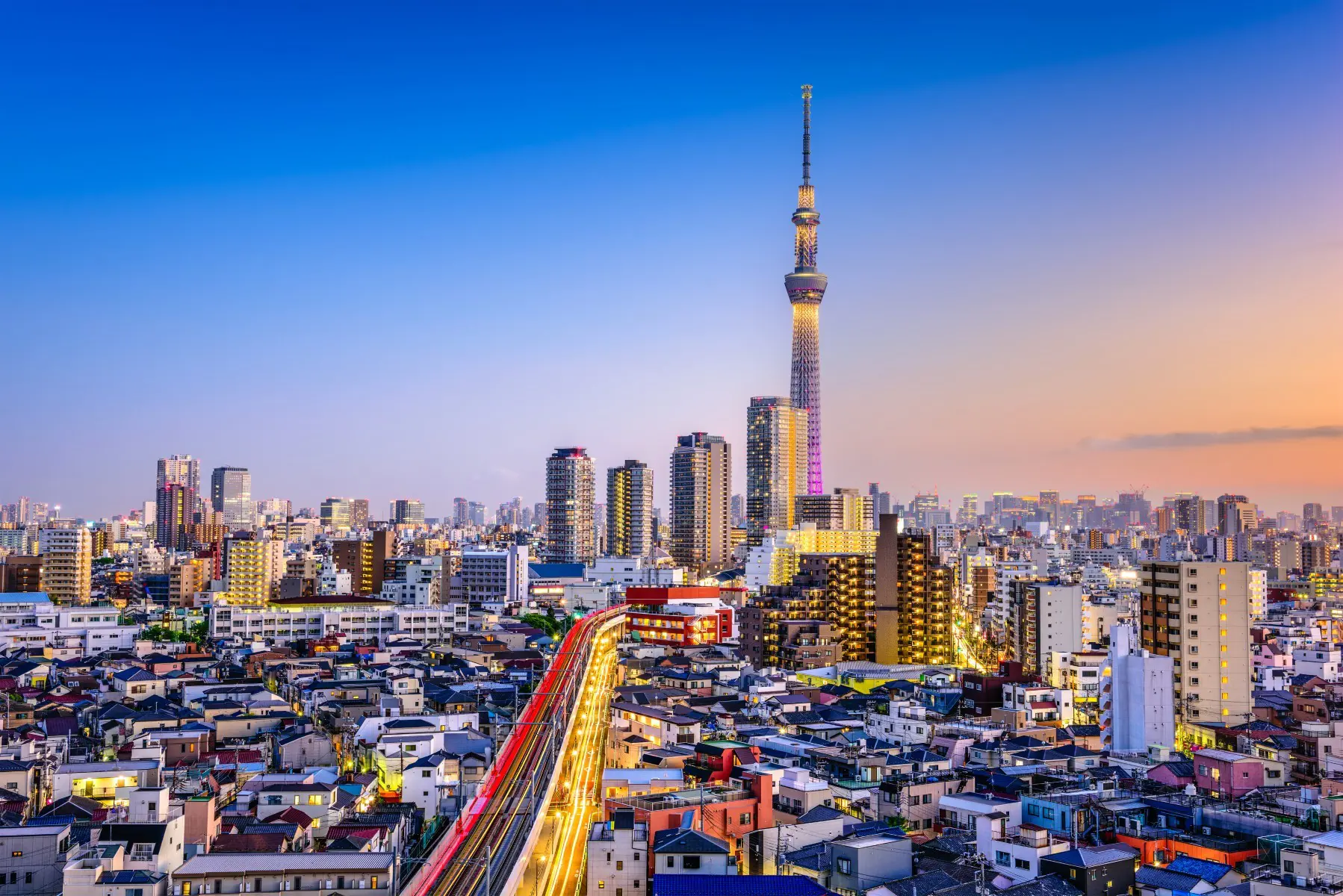

18 days, Tokyo to Sapporo
Your holiday at a glance
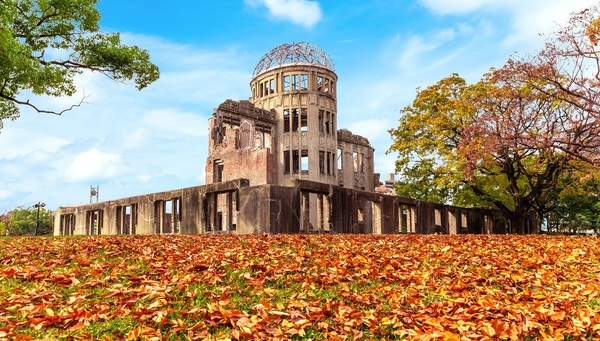
Eighteen days across Japan. You sleep 2 nights in Tokyo, 1 night in Hiroshima, 1 night in Matsuyama, 1 night in Kobe and 10 more stops. The route also calls at Kotohira, Takamatsu, Naruto, Osaka and Eihei-Ji and 16 more. 6 UNESCO listed sights sit on the itinerary, among them Atomic Bomb Dome and Itsukushima Shrine (Miyajima).
Travel is by coach with an English speaking guide, and hotels and breakfast are included, along with your arrival transfer.
The experience
Pick a day. See where you go, what you do and where you stay.
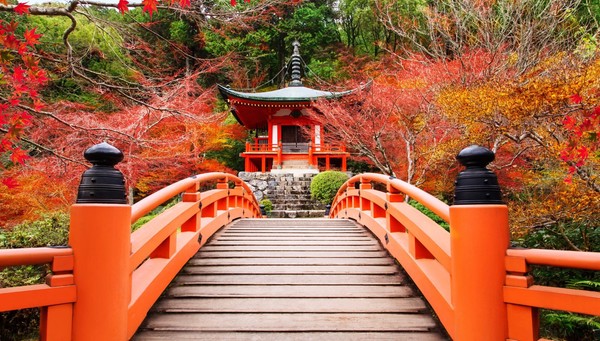
Welcome to Japan! After completing customs procedures, you’ll be transferred to your hotel by shared shuttle bus. The rest of the day is yours to enjoy at leisure. In the afternoon, you’ll receive details about the start of your tour.
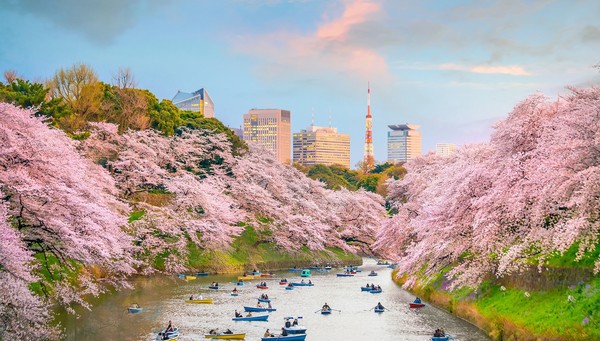
In the morning, we’ll take a long guided tour—about seven hours—through this simply stunning city!
Its vibrant energy and cutting-edge neighborhoods coexist with areas full of peace and tranquility. We’ll make a short stop at Zojoji Temple to capture the most beautiful view of the Tokyo Tower. You’ll notice hundreds upon hundreds of Jizo statues, stone-carved deities considered guardians of children, adorned with knitted hats, bibs, and pinwheels. Next, we’ll head to the famous Shibuya Crossing, that we will see from the bus. It is known as the busiest intersection in the world. Then we’ll visit Meiji Shrine, dedicated to the spirits of Emperor Meiji and his wife. Then we’ll head to Tokyo Skytree (admission included up to Tembo Deck at 350 meters high), Japan’s tallest structure, where we’ll enjoy an unmatched panoramic view of the city. We’ll end our visit in Asakusa, where we’ll explore Sensoji Temple and the famous Nakamise Street. Afterwards, we’ll return to the hotel passing by Akihabara district, the "Electric City", known as the center of Japanese manga and anime culture; and Ginza district.
We’ll meet our guide in the hotel lobby and take the subway (tickets included) to the Shinjuku area.
From there, we’ll enjoy a walk through this lively district before heading to a local restaurant for dinner (included). We’ll return to the hotel by subway, accompanied by our guide.
The order of the visits may vary depending on the admission time for Tokyo Skytree. In case of bad weather or other exceptional circumstances, access to Tokyo Skytree may be limited. In that case, an alternative visit to another iconic city viewpoint will be offered.
Departure from the hotel. We’ll transfer to Tokyo Station and board a high-speed bullet train. The journey will take just over four hours.
Hiroshima.
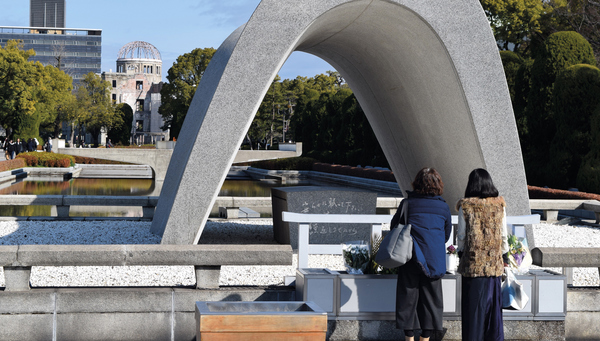
This city is somberly remembered for the atomic bombing it endured in 1945. We’ll walk through the Peace Memorial Park, see the Atomic Bomb Dome, and visit the powerful Peace Memorial Museum. Afterward, you’ll have free time for lunch. Following lunch, we’ll head to the outskirts of Hiroshima to board a ferry for a short 15-minute journey to Miyajima, the “the island where gods and men live together.” We’ll visit the iconic Itsukushima Shrine, dedicated to the guardian of the seas and partially built over the water. You’ll have time to explore the shrine and stroll through the island’s charming center.
Departure from Miyajima. We’ll board the ferry and continue to our hotel. Dinner will be included.
860 km (800 km by high-speed train). -You’ll be accompanied to the station, but a guide will not join you on the train if the group size for this part of the trip is fewer than 15 people. Our guide will meet you upon arrival at Hiroshima Station to continue the tour. -The order of visits in Hiroshima may vary, but you’ll experience everything as planned.
Matsuyama – arrival.
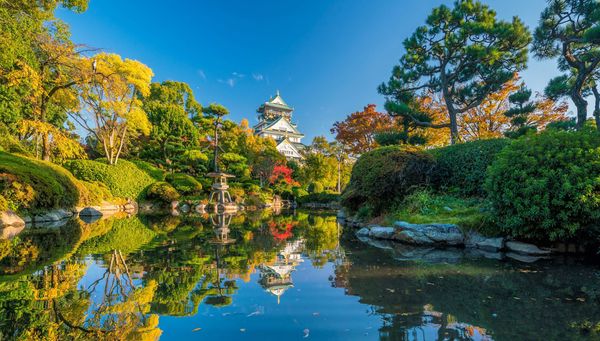
We’ll take a cable car or chairlift to visit its impressive castle. Afterward, we’ll visit Ishiteji, a stunning Buddhist temple and important pilgrimage site. Lunch will be included. Later in the afternoon, we’ll include admission to Dogo Onsen, a traditional Japanese bathhouse built in the 19th century.
Fascinating views onboard as we pass by a multitude of islands.
This stage will be completed by ferry, covering approximately 50 km.
We recommend enjoying the journey from the deck; bring warm clothing. Today, we’ll board a ferry to Shikoku Island, a pleasant journey of just over two and a half hours that offers insight into Japan, a nation composed of many islands. If there are no schedule changes, our ferry will depart at 09:20 a.m. (departure from the hotel at 08:00 a.m.).
We highly recommend experiencing Japan’s Onsen culture. There are specific customs that will be explained to you, such as gender-separated baths and the requirement to thoroughly clean yourself before entering the hot water naked. Please be aware that some Onsen facilities may deny entry to individuals with tattoos.
Departure from Matsuyama.
Kotohira.
We’ll visit a Shinto shrine dedicated to the God of sailors, a pilgrimage site located on Mount Zozu, accessible by climbing 785 steps. For those who prefer not to climb, the base of the mountain offers a lively tourist area and a small sake museum (Japan’s traditional distilled beverage).
Departure from Kotohira.
Takamatsu. We’ll visit Ritsurin, one of the most beautiful gardens in Japan. Lunch will be included at a local restaurant.
Departure from Takamatsu.
Naruto. We’ll stop at an impressive bridge that crosses the sea. Here, we’ll explore its fascinating construction and walk on its glass floor to admire the stunning sea whirlpools (visible depending on the schedule and tides) from 45 meters above.
Departure from Naruto. Enjoy beautiful scenery as we cross large suspension bridges.
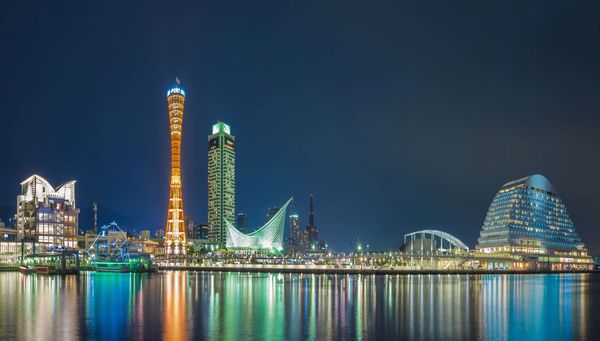
Kobe. A modern city by the sea, where you’ll have the chance to stroll through its lively downtown area.
Pleasant mountainous landscapes in some areas. Passage over large suspension bridges across the sea.
Wear comfortable walking shoes.
After breakfast, we’ll visit the Earthquake Memorial Museum, a site dedicated to remembering the tragic earthquake that struck the city in 1995 and showcasing its remarkable reconstruction.
Departure from Kobe and continuation toward Osaka.
Osaka, Japan´s second-largest city. We’ll make a brief technical stop in Osaka only if required for the start or end of a tour for any passenger.
Departure from the city toward the sacred mountain of Koya, the most important center of Shingon Buddhism in Japan.
We’ll stop for lunch along the way. This magical pilgrimage site is home to 120 temples and monasteries. We’ll visit the Okuno Mausoleum, a deeply spiritual place and vast cemetery set in nature, with over 200,000 graves. We’ll also visit the Kongobuji Temple, built in 1593. We will spend the night in a Buddhist monastery. The monks will guide us through a Zen meditation practice (Ajikan). Dinner will be included (vegetarian meal). If you wish, you can also attend the religious ceremony at the temple before breakfast.
We’ll begin the day with a traditional Japanese breakfast at the temple.
Departure for Kyoto.
Kyoto.
We’ll spend the entire day exploring this historic city, which served as Japan’s capital from 794 to 1868 and was the seat of the Imperial Court. Remarkably, Kyoto was spared from bombing during World War II, allowing it to retain its incredible artistic and cultural heritage. The famous Kyoto Protocol on greenhouse gas emissions was signed here in 1997. Our tour will cover some of Kyoto’s most iconic landmarks, including the Kinkakuji Temple—commonly known as the "Golden Pavilion"—surrounded by its stunning gardens and the Imperial Palace. Free time for lunch. Afterwards, visit the breathtaking Shinto Shrine of Fushimi Inari. Transfer to Gion will be included. This lively, traditional district is renowned for its Geisha culture and offers a glimpse into Kyoto’s historic charm. Enjoy free time to explore. The return to the hotel will not be accompanied; we recommend taking a taxi, and the guide will provide instructions on how to do so.
If you have already visited Kyoto as part of your circuit, our guide will offer personalized advice and information for exploring other parts of the city on your own.
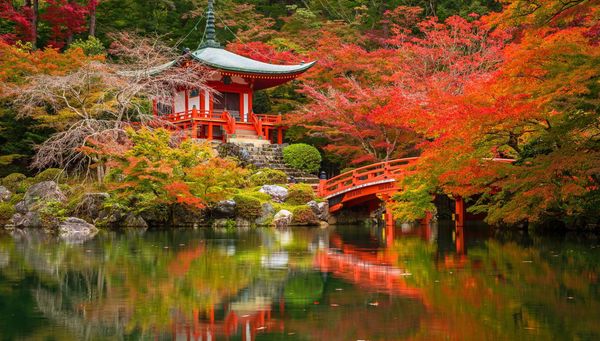
Departure from Kyoto. Following one of Japan’s largest lakes, we’ll make a brief stop at a small lakeside shrine called Shirahige Ginra.
Arrival at Eihei-ji, a temple-monastery founded in 1244 and a central hub of Zen Buddhism in Japan (admission included).
Its surroundings, architecture, gardens, and spiritual ambiance make it a key training center for monks who practice Zazen meditation and follow a strict daily diet.
Departure from Eihei-ji.
Katsuyama.
We’ll visit three main attractions: the Dinosaur Museum, located at Japan’s largest dinosaur fossil site, where you’ll have free time for lunch and to explore its educational exhibits, featuring over 40 skeletons of various dinosaurs. Afterwards, we’ll visit the Great Buddha of Echizen and its grand temple, along with a five-story pagoda, which we can climb to enjoy the view.
Departure from Katsuyama.
Arrival in Kanazawa in the late afternoon.
Pleasant landscapes, starting with a large lake and ending at a sanctuary nestled in a cedar forest.
We’ll visit an active Zen Buddhist monastery, so we recommend wearing modest clothing. Comfortable, easy-to-remove shoes are also suggested for the visit to the monastery.
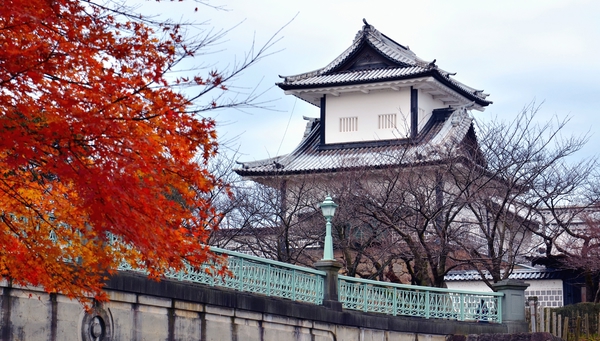
Full day in Kanazawa.
In the morning, we’ll include a city tour. Throughout history, Kanazawa rivaled both Kyoto and Tokyo, and during World War II, it was spared from destruction during the air raids. We’ll visit the castle area, with its impressive walls, and stroll through the historic Nagamachi district, where samurais and their families once resided. This area preserves its historical atmosphere with remaining residences, earthen walls, private entrance gates, narrow alleys, and water canals. We’ll include admission to Kenrokuen, one of the three most beautiful gardens in Japan. We’ll finish the tour in Omicho, a traditional market brimming with life and many places to have lunch. The return to the hotel will be on your own. We recommend taking a taxi, and your guide will explain how to do so. Free afternoon.
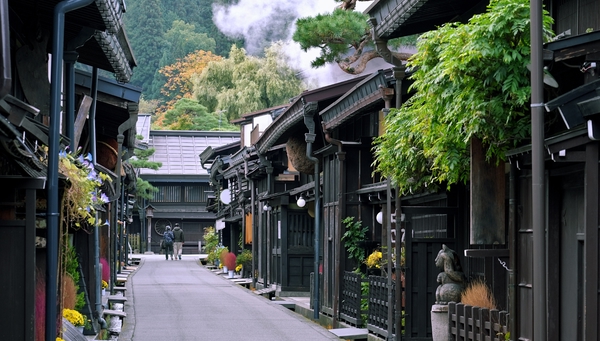
Departure from Kanazawa.
We’ll journey through stunning mountain scenery, forests, and traditional villages as we explore the Gokayama and Shirakawago regions. These villages are UNESCO World Heritage Sites, and their traditional houses with steeply sloped roofs are known as “praying hands” for their resemblance to monks´ hands joined in prayer—designed to withstand heavy winter snowfalls.
Arrival in Ainokura, a charming small village.
Departure from Ainokura.
Arrival in Shirakawa-go Ogimachi, the largest village in the area, showcasing rural Japan with houses that are masterpieces of carpentry. You’ll have time to stroll around and enjoy lunch.
Departure from Shirakawa-go.
Arrival in Hida Folk Village Museum, a peaceful open-air museum displaying over 30 traditional houses from the Edo Period (1603-1868).
These buildings were relocated from their original sites to create this museum in 1971, offering a glimpse into everyday life from the past through the tools and utensils exhibited. We’ll then have time to explore the old town, known for its wooden houses and traditional shops.
Departure from Hida Folk Village.
Arrival in Takayama for accommodation.
Beautiful mountain landscapes, vast forests, and picturesque villages along the route.
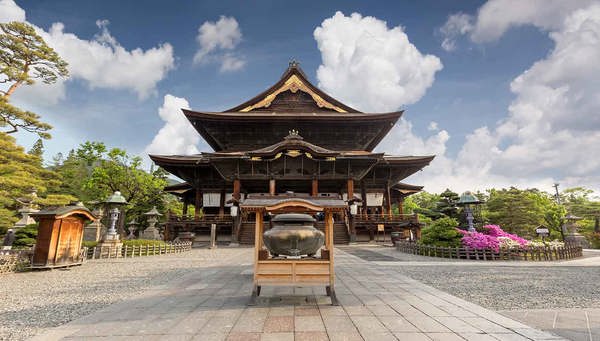
Departure from Takayama.
Hida Furukawa.
We’ll stroll through the charming old town. This city’s festival has been declared an Intangible Cultural Heritage by UNESCO, known for its large drums and beautifully decorated floats. We’ll include admission to the museum, which showcases the festival’s floats, costumes, and drums.
Departure from Hida Furukawa. We’ll continue our journey, crossing the Japanese Alps. Stop for lunch en route (lunch not included).
Upon arrival in Matsumoto, we’ll visit the city’s impressive castle, known as the "Crow Castle" due to its black color, dating back to the 16th century. Afterward, you’ll have free time to enjoy lunch and explore the town.
Departure from Matsumoto.
Nagano.
We’ll cross the Japanese Alps, with stunning snowy mountain landscapes for much of the year.
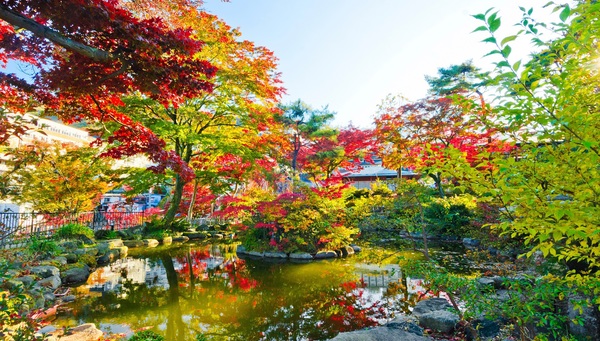
Departure from Nagano. We continue our journey through the high mountains of the Japanese Alps.
Jigokudani Monkey Park – Arrival. We’ll take a walk through the forested trails, rivers, and hot springs where colonies of Japanese macaques live and bathe in the warm waters.
Departure from the park. We travel through breathtaking high-mountain scenery (reaching 2,172 meters / 7,126 feet) and pass by semi-active volcanoes.
Kusatsu – Arrival. This attractive hot-spring town is known for its lively central square. We’ll enjoy a walk through the city park, which features open-air onsen (hot springs). Free time for lunch.
Departure from Kusatsu.
Ikaho Onsen – Arrival.
A picturesque hot-spring town where we’ll stroll through its old center, famous for its traditional stone stairways. We’ll stay overnight in a Ryokan (traditional Japanese inn), where we suggest relaxing and enjoying the hot-spring baths. Traditional Japanese dinner included.
160 km Scenery: Beautiful landscapes of the Japanese Alps.
Wear comfortable shoes for walking through the Monkey Park. Early in the morning, in Nagano, we’ll visit Zenko-ji Temple, a famous pilgrimage site that houses Japan’s first Buddhist image. Our travelers will also take part in the Gomakuyo ceremony, a traditional ritual to attract good fortune.
In autumn, depending on the availability of food in the mountains, the movement of the monkeys can be unpredictable. If the macaques do not come down to the park, it may be closed. The visit to Kusatsu may also be canceled due to weather conditions from November to April.
On certain dates, due to local festivals, accommodation may be provided in nearby cities such as Takasaki or Maebashi, in a Western-style hotel with dinner included but without onsen facilities.
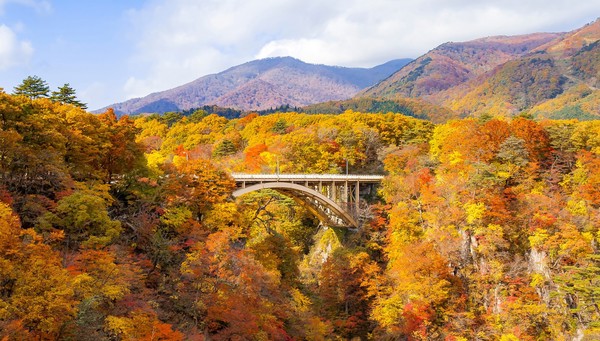
Departure from Ikaho Onsen.
Nikko.
This extraordinary town is renowned for its rich history and stunning landmarks. We’ll visit the awe-inspiring Nikko Toshogu Shrine, celebrated for its intricate craftsmanship, and the Hall of the Crying Dragon, known for its fascinating acoustics. Our visit will also include the serene Taiyuinbyo Mausoleum, surrounded by tranquil natural beauty. Afterward, enjoy a peaceful walk along the Kanmangafuchi Abyss, where hundreds of Jizo statues line the riverside path. Free time will be provided for lunch and to explore the town center.
Departure from Nikko.
Sendai. Arrival in this vibrant, modern city with over one million inhabitants. Take the evening to explore Sendai’s bustling center and enjoy dinner in one of its lively districts.
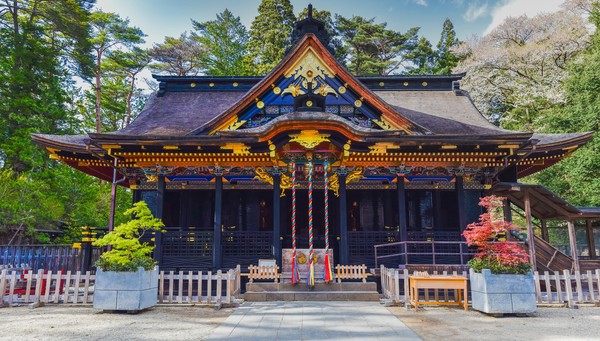
Departure for the marvelous city of Matsushima.
Matsushima.
Arrival in this picturesque city on the "Thousand Islands" Bay in the Pacific Ocean, considered one of the most beautiful locations in Japan. We’ll visit a magnificent tea house overlooking the sea, where we’ll enjoy a cup of traditional tea as our guide shares insights about the city. Afterward, we’ll embark on a 50-minute cruise (included).
Departure. Lunch will be included.
Hiraizumi.
We’ll visit its historic temples, starting with the UNESCO World Heritage Site of Takkoku no Iwaya, carved into the rock in 801. We’ll then explore the magnificent Buddhist temples of Chusonji and enjoy a peaceful moment in the gardens of Motsuji Temple, where passengers can participate in a Zen ceremony (admission included).
Departure for Morioka.
Morioka. Arrival in the pleasant capital of Iwate Province. We’ll check into our hotel and have free time to explore the city.
Forests, mountains, and the breathtaking scenery of the Thousand Islands area.
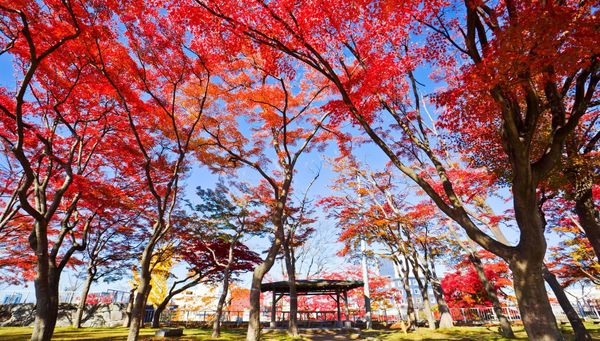
Departure. We’ll travel north through a region of beautiful landscapes.
Hirosaki. Arrival in this former cultural capital during the Edo period. From the outside, we will see its castle, located in a beautiful park where more than 2,500 cherry trees bloom in spring
Departure from Hirosaki.
Aomori.
Arrival in the provincial capital on Mutsu Bay. We’ll visit the Nebuta Museum to learn about Japan’s vibrant festival traditions, reminiscent of carnivals, featuring beautifully painted and illuminated floats. Lunch will be included at a local restaurant. Afterward, we’ll board a ferry to cross to Hokkaido Island. The ferry is scheduled to depart at 02:20 p.m. Enjoy a scenic journey of just over three and a half hours.
Hakodate. Free time to explore the charming historical pedestrian center, where we can admire the influence of other cultures, including the Russian Orthodox Church and various Christian churches.
We recommend bringing warm clothing to enjoy the ferry´s open deck.
Departure.
Onuma. Free time to explore this magnificent tourist area, known for its countless small islands. You can take a boat ride or walk across the bridges connecting the islands. Lunch will be included at a local restaurant.
We’ll continue our journey along the coastline.
Noboribetsu. We’ll visit this spectacular volcanic area, walking among the steaming fumaroles of Jigokudani (Hell Valley), admiring the boiling waters of Lake Oyunuma.
Departure.
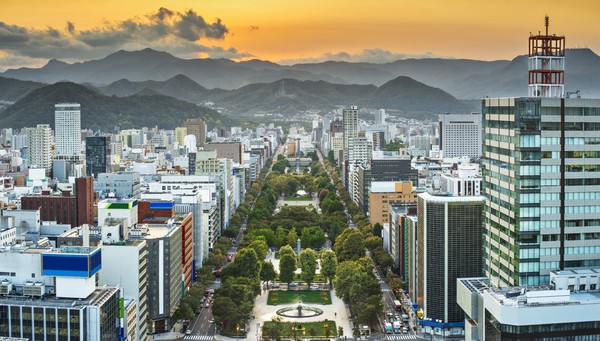
Sapporo. Arrival in the beautiful capital of northern Japan at the end of the day.
Beautiful landscapes and stunning volcanic areas.
We recommend wearing comfortable shoes for walking in Hell Valley. In the morning, we’ll visit the impressive and bustling fish market. We’ll also go up Goryokaku Tower, where we’ll enjoy breathtaking panoramic views and appreciate the star-shaped layout of Hakodate’s historic fortress. You’ll have free time to explore the castle grounds before we continue our journey.
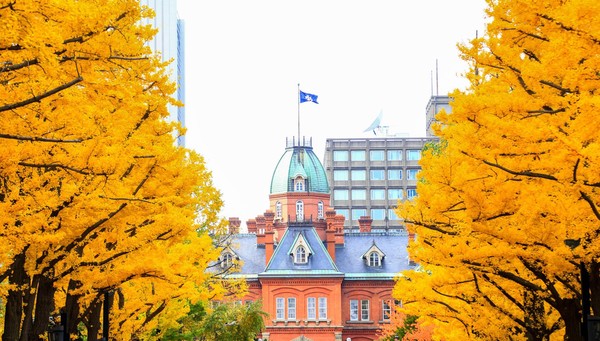
We’ll start the morning with a city tour of Sapporo, making brief photo stops at the Clock Tower and Odori Park Avenue, dominated by the towering TV Tower.
We’ll then spend an hour exploring the beautiful Hokkaido Jingu Shinto Shrine, where we’ll take part in a Kito, a traditional ceremonial prayer to give thanks for our journey.
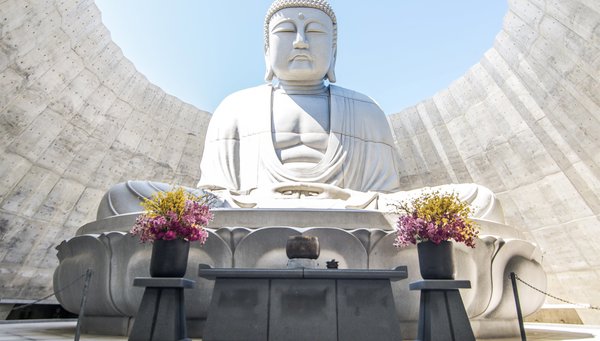
Just outside Sapporo, we’ll visit the Hill of Buddha, a striking example of modern architecture inaugurated in 2015. This lavender-covered hill houses a massive Buddha statue. The complex also features replicas of the Moai statues from Easter Island.
We’ll continue to Otaru.
Otaru. Arrival in this charming town with a distinctly European feel, known for its lively commercial streets, historic canal, and small museums. Lunch will be included at a local restaurant.
Return to Sapporo, arriving at 04:30 p.m. The rest of the afternoon will be free to explore the city at your own pace.
After breakfast, our journey will come to an end, leaving you with wonderful lasting memories.
Timings are from the operator's itinerary and may change on the day.
Know your package
A clear view of what your tour covers and what to budget for separately.
More choice, less planning
Ways to personalise a Europamundo tour. Ask us what is available for your route and dates before booking.
Short on time? Ask to join only the days and stops you want.
Request extra hotel nights before or after the tour. These cost extra.
On eligible routes, stay longer in a city and join a later group. Extra charges apply.
Some circular routes let you join at a different stop, subject to the tour schedule.
Fly from your preferred Indian city. International flights are separate from the tour price.
These are requests for an expert to arrange, not instant changes to this tour. We will confirm availability and the revised quote.
A little more discovery
Inspiration for your free time. Only visits listed in the day-by-day plan are included in the tour.
A haunting and powerful UNESCO World Heritage site, a direct remnant of the atomic blast.
Free entry listed · check before visitingThe iconic 'floating' shrine on Miyajima Island, a breathtaking UNESCO World Heritage site.
A magnificent Buddhist temple known for its wooden stage jutting out from the main hall, offering breathtaking views of the city. A UNESCO World Heritage site.
A spectacular Zen Buddhist temple whose top two floors are completely covered in gold leaf. It perfectly reflects in the surrounding pond, creating an unforgettable sight.
A charming, old-fashioned shopping street that retains the nostalgic atmosphere of pre-war Tokyo, filled with local shops, cafes, and street food.
Late afternoon
Try local snacks like 'menchi-katsu' (minced meat cutlet) and explore the nearby Yanaka Cemetery for a peaceful stroll.
Known as the 'Maneki-neko Temple,' it's adorned with thousands of beckoning cat figurines, believed to be the origin of the lucky cat.
Morning or late afternoon
Buy a Maneki-neko figurine from the temple shop to add to the collection or take home for good luck.
One of Tokyo's oldest and most beautiful traditional Japanese gardens, offering serene landscapes, ponds, and bridges.
Early morning for tranquility, or autumn for fall foliage
Look for the small replica of Mount Fuji and the iconic Engetsu-kyo (Full Moon Bridge).
A beautiful and historically significant temple, one of the few buildings in Hiroshima that survived the atomic bombing relatively intact.
Late afternoon for quiet contemplation
Look for the detailed wooden carvings and the peaceful atmosphere of the grounds.
The route
Numbered pins are where you sleep and match the stops above. Small dots are places the coach passes through. Lines join the stops point to point, not along the road.
Before you book
Prices, paperwork and practical questions. Find what matters to you.
The operator's hotel options. Your exact hotel is confirmed closer to departure.
108-8611
730-0013
730-0043
790-8520
From ₹6,14,989 per person for the tour itself (per person on triple, land only, excludes flights), and from ₹6,96,775 per person with flight from bengaluru, the airport transfer and travel insurance. An NxVoy consultant confirms the exact figure for your dates and rooms and sends you a quote reference.
18 days and 17 nights across Japan, tokyo to Sapporo.
15 departure dates are published, 15 with seats open; the next is 5 April 2027. Seats must be confirmed before you book flights. Published availability is not a seat hold.
Your written quote will state the deposit, balance due date, payment currency, taxes and any agency charges. Review these before paying. Wait for confirmed tour seats before buying separate flights.
This tour runs in April, May, June, July, August, September, October. Its peak season is April, May, June, September, October.
Indicative amounts in US dollars from NxVoy destination research.
General services: Travel by bus with English speaking guide, basic travel insurance, hotel and breakfast buffet. Includes arrival transfer City tour in: Tokyo, Kyoto, Kanazawa, Sapporo Flights from India, visa assistance, airport transfers and separate travel insurance can be requested in your NxVoy quote. They are additional unless expressly included in the confirmed price.
Hotel check-in is usually from 2pm. An early arrival does not guarantee access to your room. Ask your consultant about an extra night and confirm where to meet the group before you travel.
Excursions marked optional are paid for separately. Ask your NxVoy consultant which ones can be arranged in advance and which are booked with your guide.
Yes. Ask NxVoy about visa assistance, fees and application timelines for your passport. Visa approval is decided by the relevant authorities and is not guaranteed.
Confirm the current requirements for your passport before booking. Visa fees and assistance are quoted separately unless explicitly included.
Cancellation charges depend on the policy assigned to your tour and when you cancel. Non-refundable services can add costs. Ask NxVoy for the policy number, deadlines and all charges in writing before paying. A cancellation request needs operator confirmation; sending a message alone does not complete it.
Talk it through with a travel expert.
Payment & cancellation
Know the total, payment dates and cancellation charges for your exact trip. Keep your written quote and booking confirmation together.
Your written quote will state the deposit, balance due date, payment currency, taxes and any agency charges. Review these before paying. Wait for confirmed tour seats before buying separate flights.
Cancellation charges depend on the policy assigned to your tour and when you cancel. Non-refundable services can add costs. Ask NxVoy for the policy number, deadlines and all charges in writing before paying. A cancellation request needs operator confirmation; sending a message alone does not complete it.
Only listed services are included. International flights, visas and optional outings usually cost extra. Check your quote for transfers and other additions.
Basic assistance cover applies during the tour. Check its limits and arrange any additional cover you need. You remain responsible for passport and entry documents.
Unused services may qualify for a future-trip credit, subject to conditions and deductions. A cash refund is not automatic.
Ask for an itemised total covering your chosen tour, room type, flights and extras, including any applicable Indian taxes, agency charges and currency-conversion terms. Confirm the exact payment dates and cancellation policy before you commit.
Your quote should distinguish Europamundo's tour conditions from any additional agency terms. If two documents differ, ask us to resolve the difference in writing before paying.
A short guide to the operator's 2026–27 conditions, checked 1 October 2026. Ask NxVoy for the full conditions with your written quote before booking.
From your door, and back again
Need flights, visa assistance or airport transfers? Tell us where you are starting. We will bring the pieces together in one personalised quote.
Tour reference 7580 · Prices are per person in the currency shown. Tour-only prices exclude flights.